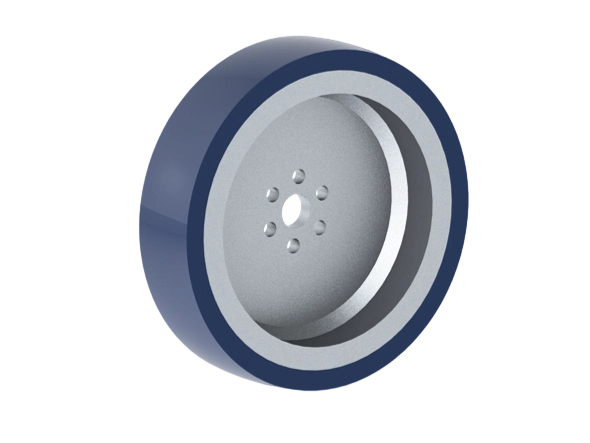
Introduction to Polyurethane Coated Wheels
Polyurethane coated wheels represent a critical component in material handling, industrial automation, and medical equipment. These wheels consist of a metal core—typically cast iron, aluminum, or steel—encased in a polyurethane elastomer layer that determines load capacity, rolling resistance, and floor protection. Polyurethane wheels typically achieve 3 to 5 times the load-bearing capacity of rubber wheels of identical dimensions. Their abrasion resistance, measured by DIN 53516 testing, often exceeds 40 mm³ loss, compared to 120 mm³ for natural rubber. These quantitative advantages explain why industries ranging from food processing to aerospace increasingly specify polyurethane coated wheels in their equipment designs.
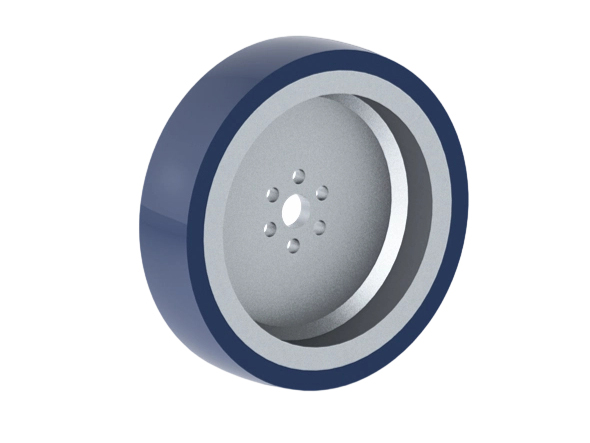
Advantages of Buying Directly from the Manufacturer
Purchasing polyurethane coated wheels directly from a manufacturer eliminates intermediaries, producing measurable cost and quality benefits.
1.A distributor typically adds a 25% to 40% markup to the manufacturer's unit price; direct procurement removes this layer entirely.
2.Beyond immediate price reductions, direct buyers gain access to technical data that resellers rarely provide—such as exact Shore A hardness ratings, dynamic load curves, and temperature tolerance ranges.
3.Customization represents an even more significant advantage. Manufacturers can adjust polyurethane formulation, core material, bore diameter, and tread profile to match specific application requirements, whereas distributors typically stock only standard catalog items.
4.Quality assurance also improves: direct buyers can request batch-specific test reports, including rebound resilience and compression set data, ensuring each wheel meets stated performance criteria.
5.Finally, lead times shorten because orders bypass distributor inventory systems, often reducing delivery from weeks to days for standard configurations.
Key Considerations for Choosing Polyurethane Coated Wheels
Selecting the correct polyurethane wheel requires evaluating several interdependent parameters.
Load capacity depends on both the polyurethane hardness and the core design; a 95 Shore A wheel on a cast iron core may support 2,500 kg, while an 80 Shore A version on aluminum handles only 800 kg.
Rolling resistance correlates inversely with hardness—harder wheels roll more easily but transmit more vibration to the load.
Temperature range matters critically: standard polyurethane performs well between -20°C and 70°C, but specialty formulations extend this to -40°C or 90°C.
Chemical exposure also dictates material choice, as polyether-based polyurethane resists hydrolysis better than polyester-based types in wet environments. The table below compares four common polyurethane wheel specifications.
| Parameter | Wheel A | Wheel B | Wheel C | Wheel D |
|---|---|---|---|---|
| Shore A Hardness | 80 | 90 | 95 | 85 |
| Load Capacity (kg) | 600 | 1,200 | 2,500 | 900 |
| Max Temperature (°C) | 60 | 70 | 80 | 65 |
| Core Material | Aluminum | Cast Iron | Cast Iron | Steel |
How to Sourcing Polyurethane Coated Wheels from a Manufacturer
Sourcing directly from a manufacturer follows a structured process that begins with application analysis.
Buyers should document load weight, speed, floor surface, environmental conditions, and duty cycle before contacting suppliers. This data allows manufacturers to recommend the optimal polyurethane formulation and core configuration rather than forcing a compromise from standard stock. Requesting samples for empirical testing is essential—laboratory data cannot fully predict performance under actual operating conditions. A manufacturer that controls both core machining and polyurethane casting ensures tighter tolerances and faster turnaround than one that outsources either process.
Conclusion: Maximizing Value with Direct Manufacturer Purchases
The evidence strongly favors direct manufacturer procurement for polyurethane coated wheels across nearly every industrial application. Cost savings of 25% to 40% from eliminated distributor markups compound with quality advantages that reduce downtime and replacement frequency. Customization capabilities allow precise matching of wheel specifications to operational demands, extending service life and improving safety.