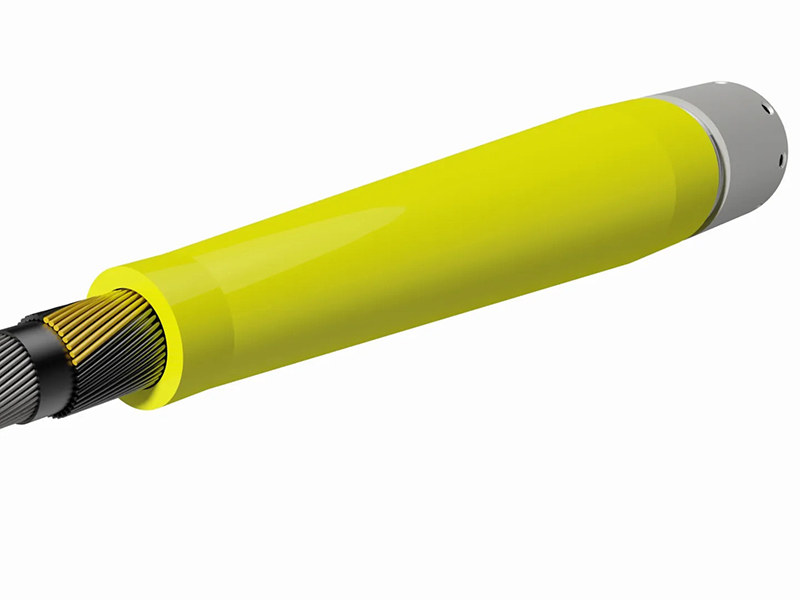
Introduction to Umbilical Bend Stiffeners
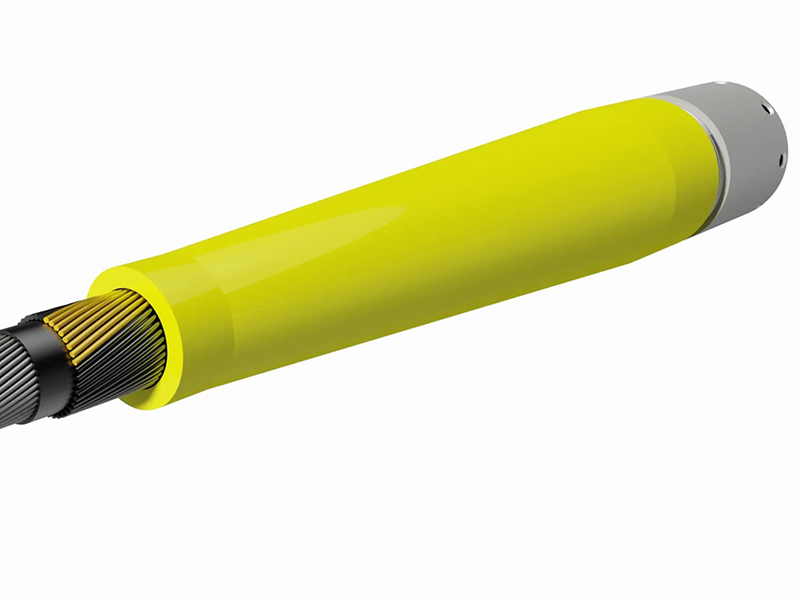
Why Source Directly from an OEM Factory?
Bypassing the middle tier of distributors and agents fundamentally reshapes the economics and quality assurance of procurement. When you engage an OEM factory directly, you eliminate markup layers that can inflate unit costs by twenty to thirty percent. More critically, you gain an unbroken chain of custody from raw material to finished part.
A direct factory audit reveals the mixer where polyol and isocyanate meet, the heated mold where layers of glass or carbon fiber are laid with unerring precision, and the test rig where each stiffener is proof-loaded to its design limit. Conversations shift from price haggling to engineering dialogue; a question about shore hardness becomes a discussion about the exact durometer measured on a sample cut from your production batch. This transparency means non-conformance reports are resolved at the source, not filtered through a third party's interpretation.
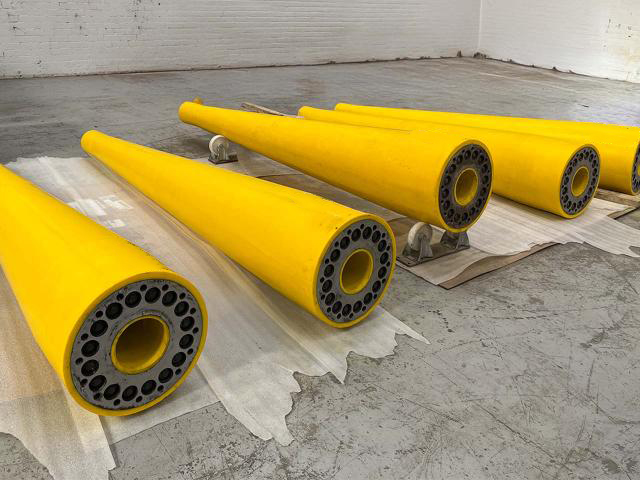
Key Considerations for Selecting a Supplier
Evaluating a potential OEM partner requires looking beyond a glossy brochure to the pulse of the production floor. The rhythmic hiss of a CNC machine cutting a master mandrel, the sharp, sweet scent of curing elastomer, and the quiet hum of a dynamic fatigue test rig all speak to a factory's true capability. A qualified supplier must demonstrate verifiable experience with deepwater projects and hold certifications such as API 17J or ISO 13628. Their engineering team should speak fluently about hang-off angles, tensioner settings, and the long-term creep behavior of thermoplastic materials.
| Consideration | Direct OEM Factory | Distributor / Agent |
|---|---|---|
| Unit Cost | Base manufacturing cost | Base cost + 20–35% markup |
| Customization | Full engineering change control | Limited to catalog options |
| Lead Time | 6–10 weeks (scheduling dependent) | 10–16 weeks (buffer stock) |
| Quality Traceability | Raw material to finished part | Partial, often summarized |
| Technical Support | Direct access to design engineers | Sales-driven, filtered response |
Customization and Engineering Support
Off-the-shelf solutions rarely fit the unique fingerprint of a subsea field development. A direct OEM partnership unlocks the ability to tune every parameter: the outer profile can be sculpted to match a specific bending moment curve, and the inner bore can be molded with a tapered geometry to accommodate a particular umbilical diameter with exacting tolerance. Engineers can adjust the stiffener's length, cone angle, and material durometer to shift the critical bend point away from the termination.
Conclusion: Maximizing Value with Direct OEM Partnerships
The path from a steel mold in a factory to the cold darkness of the seafloor is short when intermediaries are removed. A direct OEM relationship transforms a bend stiffener from a commodity purchase into a collaborative engineering outcome, where cost savings are merely the most visible benefit. The true value lies in the quiet confidence that comes from knowing exactly who shaped the polymer, who laid the fibers, and who signed the final test certificate. For any operator seeking to protect their umbilical investment, the direct factory door is the one that opens to the most robust, precisely tailored, and economically sound solution.